A way forward for your family
You've been told you have two options: threaten him, or let him go. This is the third path. Loving Leverage is how a family invites real change without burning down its own life to force it.
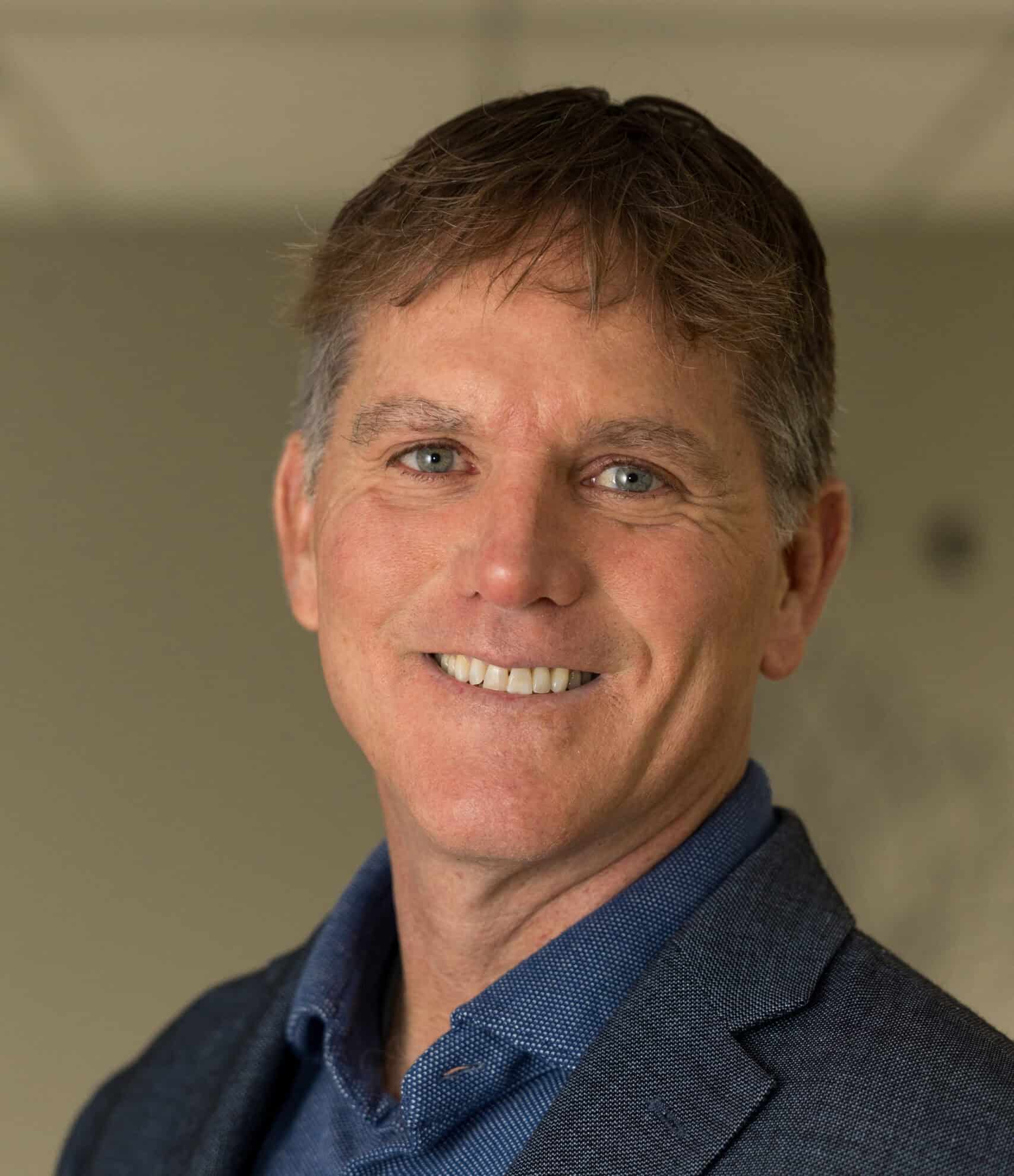
Created by Michael Dinneen, LCSW, CSAT-S · Founder of Valiant Living
Why nothing has worked yet
The first script is the ultimatum. Stop or I'm leaving. Get help or we're done. It feels like strength, but it's a threat driven by fear, and he can hear the fear in it. So he waits it out. Now you're stuck choosing between following through on a life you never wanted or backing down and teaching him the line was never real.
The second script is detachment. You didn't cause it, you can't control it, you can't cure it. All true. But in practice those words can quietly become: step back, say nothing, work on your own serenity while the man you love disappears. You end up peaceful the way a hospital waiting room is peaceful.
One script asks you to become someone you're not. The other asks you to pretend you don't see what you see. Loving Leverage refuses both.
In his words
Loving Leverage answers the question every hurting family asks me. Not how do we make him change. You can't. And not how do we learn to live with it. You shouldn't. The real question is this: how do the people who love this man get honest, get aligned, and get immovable, so the part of him that wants to live has something solid to grab onto?
Because addiction is smart. The smarter the man, the better it gets at outmaneuvering him, and everyone around him. It negotiates, it divides, it waits people out. What it cannot beat is a family in lockstep: everyone warm, everyone truthful, nobody rescuing, nobody making the crisis smaller than it is. You stay warm, you become immovable, and you let honest weight, not anger, do the moving.
And hear me on this, because it matters. You didn't cause this. You are not an enabler, and you are not codependent because you loved him and held on. You are a trauma survivor, and here you will be treated like one.
Where it comes from
In 1991, at 23, Michael hit bottom. When he got home he called his sister, crying, ready to be rescued. A week earlier, in a graduate school course, she had learned what to do when an alcoholic calls: tell them what to do, lovingly, and hang up before they can start negotiating.
"Michael, there's not a whole lot I can do for you. I love you. Go to AA."
Then she hung up. No lecture, no rescue, no threat. Warmth and weight in the same sentence. He went, and it started everything: his recovery, three decades of clinical work, and eventually Valiant Living itself. Loving Leverage is that phone call, grown into a method. The people who love you, refusing to argue with your addiction, and refusing to abandon you.
The method
Every family's plan is its own, built with our clinical team and paced to your situation. But underneath, the moves are consistent.
Secrecy is the climate addiction grows in, and somewhere along the way his secret became yours to carry. The first move is honesty over avoidance: naming what's real, to him and to safe people, without softening it and without spin. Not to shame him. Because the secret was never yours to keep.
Rescue feels like love, but every consequence you absorb for him is information he never receives. This move lets natural consequences arrive on schedule while you put down what was never yours to carry. You cannot heal another person by abandoning yourself.
This is the leverage. Family, close friends, and where it fits, an employer, a pastor, an attorney, all saying the same true thing at the same time. Addiction wins by dividing people and negotiating with them one at a time. It cannot divide a system that's aligned, and it cannot negotiate with people who won't.
A boundary is not a punishment. It's information: clear expectations, communicated calmly, followed through without hostility, with the door to love left open the whole time. This is the difference between an ultimatum he waits out and a boundary that changes the weather.
Often misunderstood
Ultimatums are threats driven by fear, and men wait them out. Leverage is weight you are actually willing to stand on, for as long as it takes.
You are not asked to step back, go quiet, and practice acceptance while he disappears. You stay in it, warm and honest. Alignment is active.
This is not the surprise intervention you've seen on television, one dramatic confrontation with letters read aloud and a van waiting outside. Leverage is relational and ongoing, not an event that succeeds or fails in a single afternoon.
No checking his phone, no tracking, no managing his recovery for him. His recovery has to stay his. Your side of the street is your safety, your truth, and your follow through.
Nothing here labels you an enabler or a codependent. You are a trauma survivor, and the plan starts by treating you like one.
What it sounds like
"I love you. The door isn't open yet."
A few weeks into treatment, a man decides he's done enough. He calls his wife, sure she'll fold. She has folded before; that's what the addiction is counting on. But this time she isn't alone. She has a team, a plan, and one true sentence: she loves him, and the door isn't open yet. When Valiant says the door is open, it will be.
He hangs up angry. And then, for the first time in years, there is no one left to outmaneuver. He slows down. And in Michael's experience, once a man slows down enough to see what's actually true, he's golden. That's leverage: not a threat, not a punishment. A woman, warm and immovable, letting honest weight do the moving.
Where to start
Loving Leverage, taught. Delivered by email, built for the person who loves him, whether or not he's ready.
Start the courseEight questions to help you name what you've been seeing. Private, and no sign-up required.
Start the checkConfidential, whether or not he knows you're calling. Most first calls to us come from someone who loves him.
(720) 669-1285Keep reading: boundaries that aren't punishment · all spouse resources
Are you the man in this story? Start here instead
You have more power here than you've been led to believe. Not the power to fix him. The power to change what happens next.
Call (720) 669-1285Confidential · A real person · Whether it's him calling, or you